


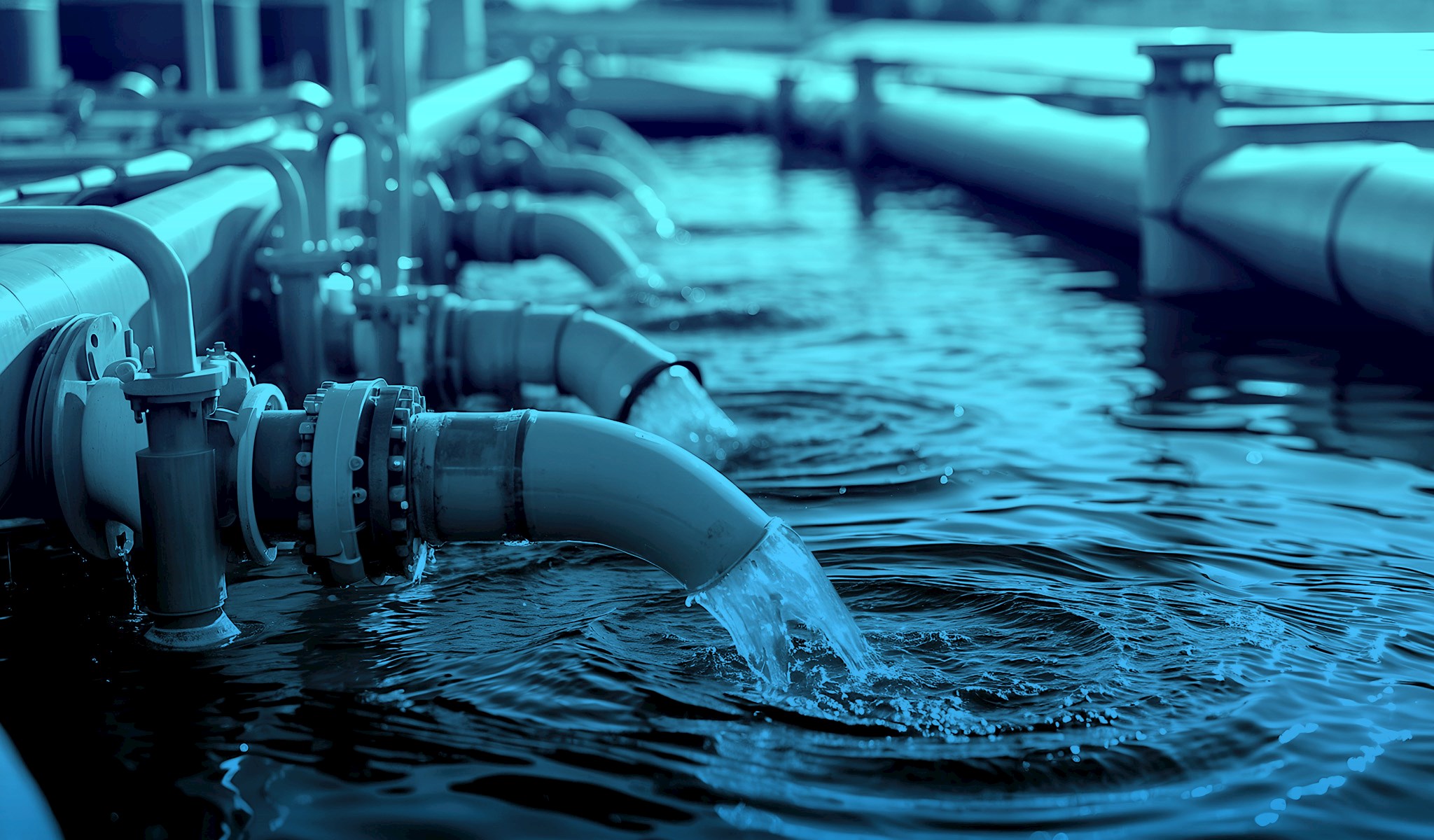
Water safety is increasingly threatened by pollutants and agricultural runoff, which cause contamination, algal blooms, and ecosystem degradation. In response, the U.S. Environmental Protection Agency introduced enforceable drinking water standards for related pollutants in 2024 and allocated $9 billion for testing and treatment under the Infrastructure Investment and Jobs Act.
As water scarcity intensifies globally, sustainable alternative solutions, including rainwater harvesting and atmospheric water generation (AWG), are becoming essential. These technologies reduce reliance on conventional water supplies and offer innovative ways to secure water for the future.
Rainwater Harvesting
Collects and stores rainwater for later use, easing the strain on public utilities and groundwater resources. This method is ideal for irrigation, cleaning, and toilet flushing, as it cuts utility costs and promotes water conservation. Common systems include:
- Rooftop collection for non-potable or treated use
- Surface runoff systems to recharge groundwater
Atmospheric Water Generation (AWG)
Extracts water vapor from air and converts it into drinking water using:
- Refrigeration-based systems, which condense vapor via cooled exchangers
- Sorption-based systems, which capture vapor with absorbent materials
AWG systems range from small residential units producing 1–20 liters daily to commercial systems generating over 10,000 liters. Costs vary from $0.01 to $1.00 per liter depending on efficiency and conditions, with portable units proving especially useful for disaster relief.
Rainwater harvesting and AWG provide practical, scalable solutions to secure water amid regulatory pressures, contamination challenges, and growing demand. These technologies offer sustainable alternatives for industries and communities aiming to build resilience in the face of water scarcity.
For more information on water-related investment opportunities and insights, please see our equity research report, Tapping Into the World of Water: Technologies and Solutions for a Thirsty World, or explore more topics on William Blair’s Equity Research Rewind page.