


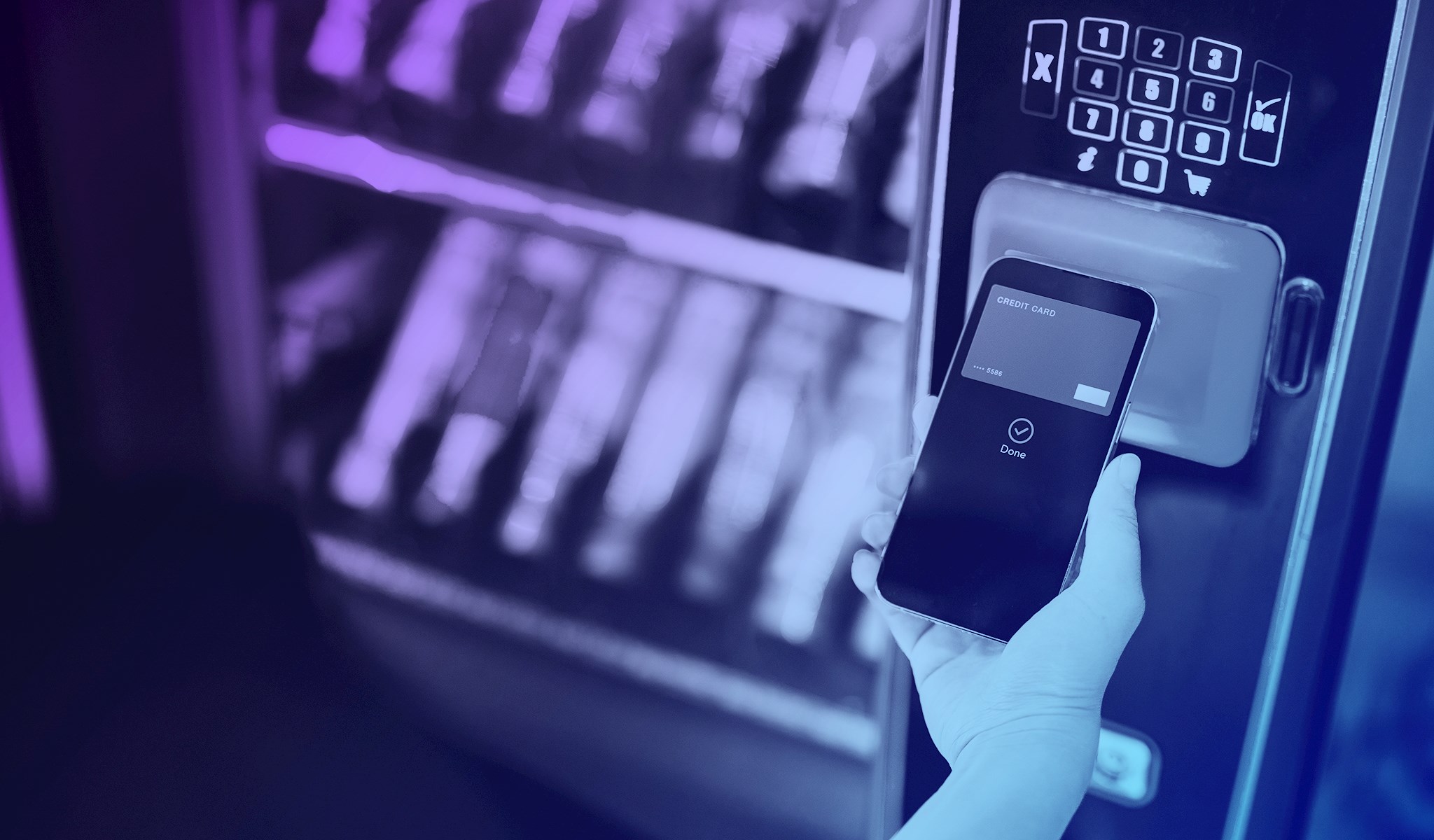
Unattended retail is rapidly evolving, driven by technological innovation and changing consumer preferences. Once confined to low-value vending machine transactions, this sector now spans multiple formats, most notably micro markets and, increasingly, smart stores. These developments are reshaping the economics and operational dynamics of retail, delivering greater value for businesses and consumers.
Unattended retail refers to environments where consumers select and purchase goods independently, without requiring assistance from employees. Vending machines defined the category for decades, offering quick transactions for beverages and snacks. However, recent years have seen the emergence of micro markets, self-service retail spaces primarily located in offices and controlled venues, offering a range of products. Data has revealed that by 2024, nearly 30% of micro market sales came from high-ticket categories, such as electronics, cosmetics, toys, gourmet foods, and personal care items, compared to just 16% for traditional vending.
Despite micro markets’ outperformance over traditional vending, this format faces a major operational challenge: theft and shrinkage. The risk of theft has limited the rollout of micro markets to secure workplace settings, where employee trust and surveillance are easier to manage.
Smart stores represent the next phase in this evolution. Combining payment authentication, sensors, cameras, and analytics, they deliver the variety and flexibility of micro markets with the loss prevention capabilities of traditional vending. Entry is often controlled via card or code, while advanced technology monitors selections and departures to ensure accurate automated checkout. These capabilities enable deployment in a broader range of venues, including high-traffic public spaces, by substantially mitigating the risk of theft.
For operators, benefits include higher revenue, lower labor costs, 24/7 availability, and data visibility for inventory and customer behavior. For consumers, the appeal lies in speed, convenience, and ease of access. Data from 2024 highlights the impact of these innovations. The average purchase in a smart store exceeds $4, outpacing both vending machines and micro markets and driving location-level sales growth.
As unattended retail adoption continues, the development of smart store technology will likely be a key driver of growth. By addressing operational risks such as theft and enabling a broader assortment and transaction size, smart stores are positioned to play a pivotal role in the next phase of retail’s digital transformation. For stakeholders seeking scalable, data-driven retail solutions, this segment warrants close attention.
For more information on related investment opportunities and insights, please see our equity research report, Unattended Retail Driving Incremental Growth of Electronic Payments, or visit our Equity Research Rewind landing page for other topics on our website.