


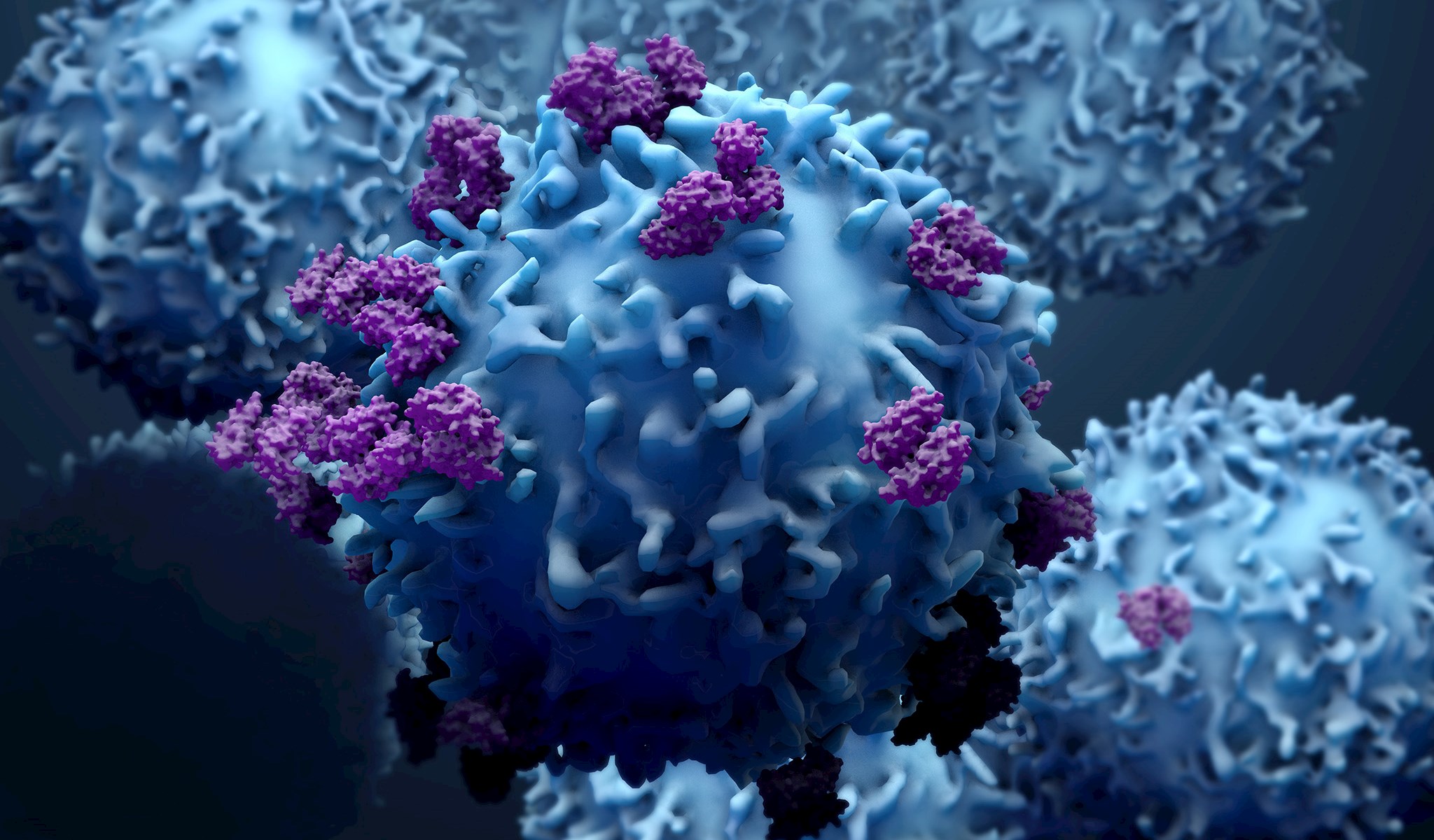
In vivo CAR-T is emerging as a major shift in cell therapy. Instead of removing a patient’s T cells, engineering them in a lab, and reinfusing them—as in traditional ex vivo CAR-T—in vivo approaches program the T cells directly inside the body. This eliminates the need for complex and time-consuming manufacturing steps, offering a more streamlined approach to treatment.
Since 2023, advances in lipid nanoparticle (LNP) and mRNA technologies have fueled a nearly threefold increase in the number of companies developing in vivo CAR-T therapies. Today, the field centers on two main delivery approaches: lentiviral vectors (LVVs) and LNPs.
- LVVs: Provide high transduction efficiency and permanently add CAR genes to T cells, creating long‑lasting, valuable activity for cancer treatment
- LNP: Enable temporary mRNA or circRNA expression, reducing long‑term risks and allowing repeat dosing, making them well‑suited for autoimmune diseases like lupus
Early clinical trials demonstrate that in vivo CAR-T therapies are viable. Programs from both viral and non-viral approaches have shown substantial T-cell expansion without the need for lymphodepletion, a key step in ex vivo CAR-T regimens. Some cancer programs reported complete responses in diffuse large B-cell lymphoma, while LNP-based therapies demonstrated effectiveness in lupus patients.
Safety varies by program and delivery. Some studies report mild side effects with no cytokine release syndrome (CRS) or neurotoxicity, while others observed more serious reactions, such as Grade 3 CRS.
The rise of in vivo CAR-T has catalyzed major business developments. In 2025 alone, acquisitions in this space totaled $5 billion. By removing barriers like lymphodepletion and lab manufacturing, in vivo CAR-T therapies could democratize access, enabling treatment in community settings and expanding the market for cell therapies.
Despite its potential, questions remain. The depth of B-cell depletion and the durability of responses, especially for transient LNP approaches, need further validation. Anticipated clinical readouts in 2025-2026 will likely determine the leaders in this field. If successful, in vivo CAR-T could revolutionize cancer and autoimmune treatment, shifting from complex, personalized procedures to accessible genetic medicines.
For more information on related investment opportunities and insights, read CELLect Horizons—Back to the Future: Revisiting the In Vivo CAR-T Landscape, by William Blair biotech analyst Sami Corwin, Ph.D.