


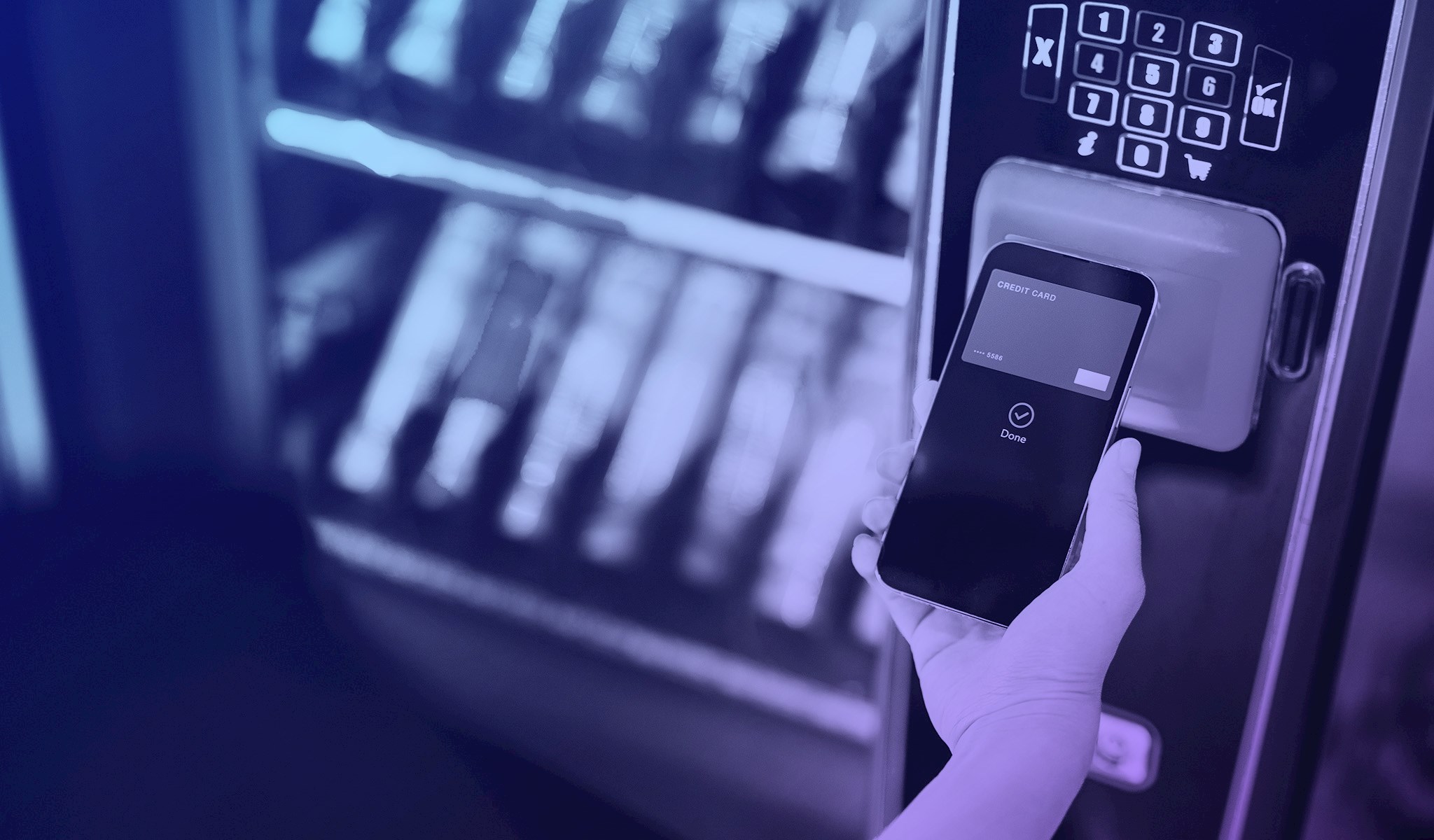
The unattended retail sector, encompassing vending machines, micro markets, and smart stores, enables consumers to transact without requiring employee interaction. Once defined by small ticket transactions, technology has propelled this market into a high-value and sophisticated retail format.
Electronic payment systems have removed the primary barrier to adoption: the reliance on cash. Advanced payment terminals now support multiple payment methods, including contactless cards, mobile payments, and digital wallets. Tap-to-pay technology has proven particularly effective, accounting for 77% of cashless transactions in North America and 94% in the U.K. In fact, the average cashless transaction generates 26% higher ticket values compared to cash transactions, demonstrating the role of technology in boosting spending. Convenience also plays a key role, as 49% of consumers cite speed as the primary benefit of unattended retail channels, while 33% appreciate reduced interaction. On the operational side, integrating telemetry systems with payment platforms provides real-time insights into transactions and inventory. This connectivity supports predictive analytics, dynamic pricing, and demand forecasting, while also reducing operating costs by more than 20%.
Micro markets and smart stores can offer 150 to 400 products compared to 40 in traditional vending, generating approximately four times the volume per location. Further, modern unattended retail leverages artificial intelligence (AI) and sensor technology to enhance security and user experience while reducing shrink. Smart stores utilize computer vision systems, embedded scales, and RFID technology to automatically identify products and process transactions, eliminating the need for traditional checkout procedures. Unattended retail electronic payment volume is projected to reach $118 billion by 2029, with a 21% compound annual growth rate, driven by technological improvements that enable higher-ticket item sales, expanded product categories, and deployment in higher-traffic locations. Smart store technologies are showing particularly strong performance metrics, with average ticket sizes of $4.25 compared to $2.11 for traditional vending machines.
Technology continues to expand unattended retail beyond traditional boundaries, including fresh food, pharmaceutical dispensing, and electronics. The integration of advanced payment systems, AI-powered inventory management, and consumer-facing technologies positions unattended retail as a significant growth vector for electronic payments and automated commerce systems.
For details on investment opportunities and insights, read our equity research report, Unattended Retail Driving Incremental Growth of Electronic Payments, or visit the Equity Research Rewind page on the William Blair website.