


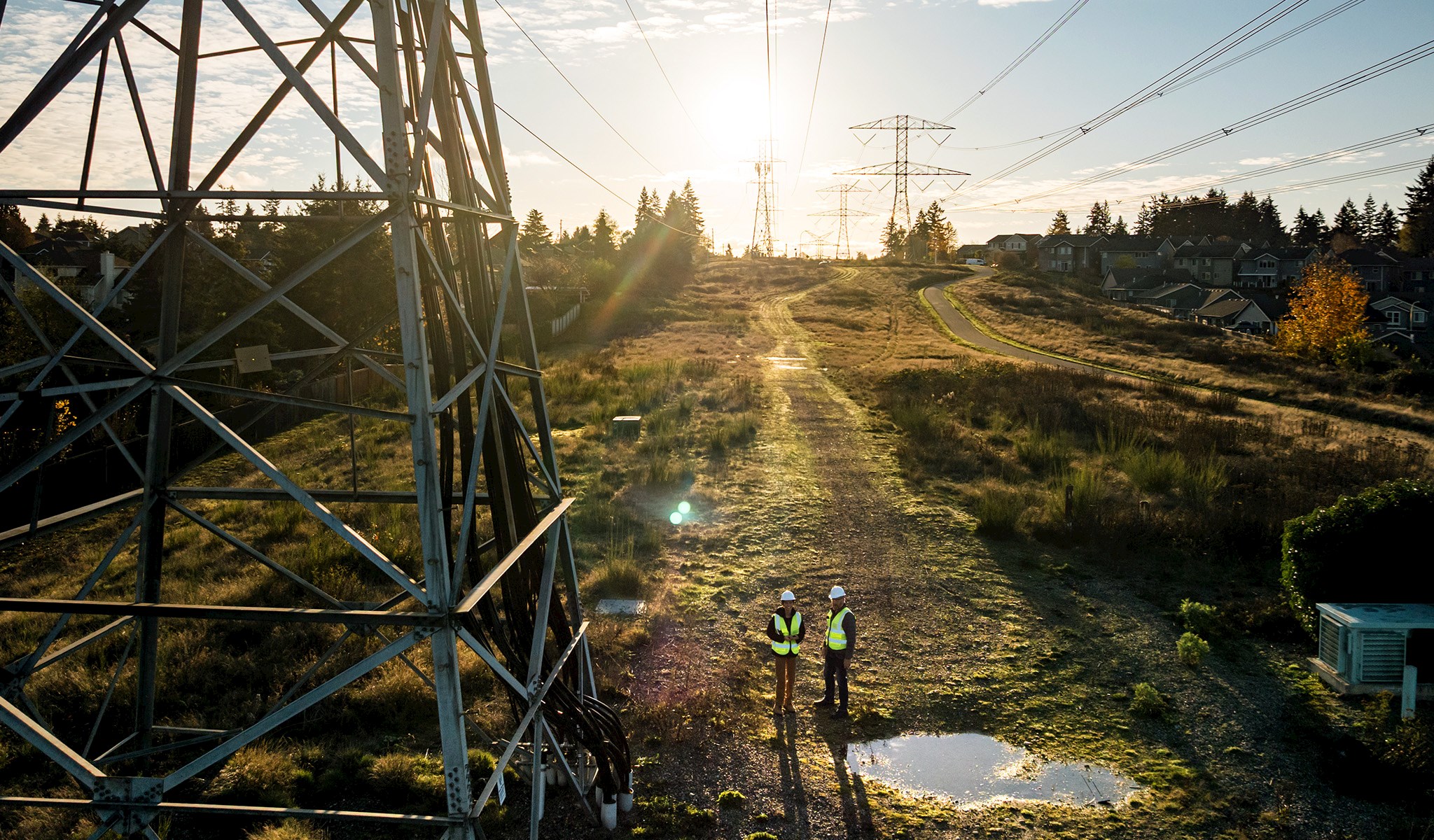
The reliability of the U.S. electrical grid is emerging as one of the defining economic and national security issues of the coming decade. Electricity is the foundational substrate of all modern economies. As geopolitical competition intensifies and supply chains reorganize around regional blocs, nations with the most reliable energy systems will hold a decisive advantage.
Yet the United States is entering this new phase with a grid that is less stable than it was a decade ago.
For more than twenty years, energy policy has emphasized the rapid deployment of wind and solar through Renewable Portfolio Standards (RPS), tax subsidies, and preferential market structures. While these policies expanded renewable generation, they also accelerated the retirement of dispatchable thermal plants that historically provided grid stability, inertia, and reserve margins.
The result is a system that is simultaneously more complex and more fragile, built for a global economy that assumed manufacturing would continue moving offshore rather than return to the United States.
Traditional power systems were designed around firm generation sources such as coal, nuclear, hydroelectric power, and natural gas. These resources produced consistent output and maintained the electrical grid's physical stability. Wind and solar fluctuate with weather conditions and require balancing resources, expanded transmission, and backup generation to maintain reliability.
Artificial intelligence infrastructure, data centers, and reshored manufacturing operate more like semiconductor fabs or steel mills than traditional commercial loads. They require continuous, high-reliability electricity with minimal tolerance for interruption. As these sectors expand, reserve margins are tightening, transmission congestion is rising, and price volatility is increasing.
Addressing these vulnerabilities requires structural reform. In our research report, Pain at the Plug, we outline five pillars for restoring reliability and abundance to the U.S. energy system:
- Build Firm Power Fast: Rapidly expand dispatchable generation such as nuclear, natural gas, hydro, and storage to restore grid stability and meet rising AI and industrial demand.
- Market Design That Prices Reality: Reform power markets to reward reliability and firm delivery during system stress, not just installed capacity.
- Energy Resilience Will Secure America: Strengthen domestic fuel supply chains, enrichment capacity, and pipeline infrastructure to reduce geopolitical energy risk.
- Finance Architecture: Align capital formation with high-Energy Return on Investment (EROI) energy systems that expand the nation’s productive capacity.
- Investing in Energy Moonshots: Allocate funds from RPS savings to fund high-risk but high-reward energy systems, such as advanced nuclear, geothermal, and fusion, to drive the next era of abundant, low-cost power.
For more information on related investment opportunities and insights, read Pain at the Plug: Five-Pillar Energy Plan for American Abundance, by William Blair’s Group Head of Energy and Power Technologies, Jed Dorsheimer.